

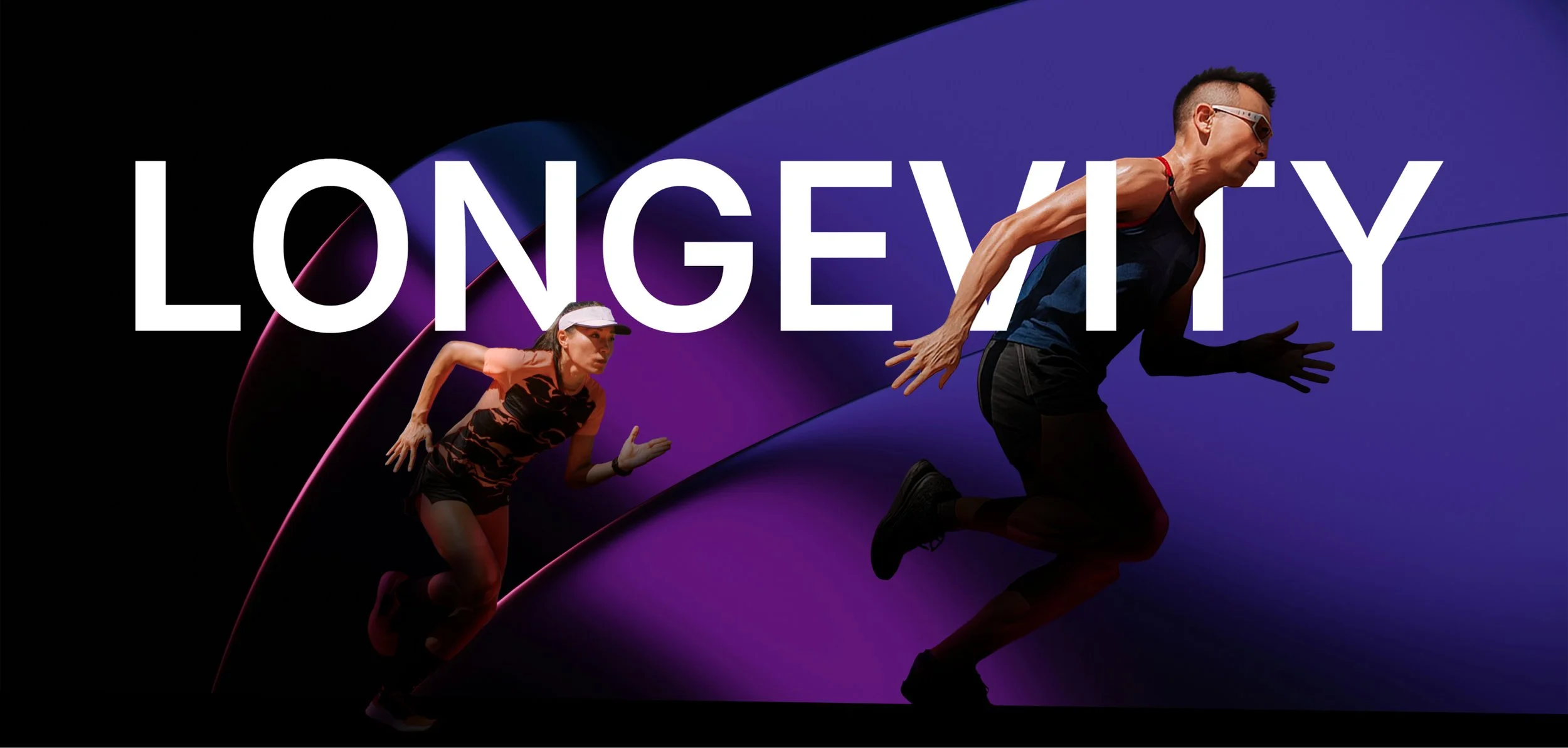
The idea of a longevity program appeals to people who want to take a structured approach to aging rather than reacting to health concerns as they arise. Instead of focusing on short-term results, these strategies emphasize consistent monitoring, preventive care, and gradual lifestyle refinement. Not everyone requires the same level of intervention, but certain groups tend to gain more measurable value from a long-term plan.
Individuals in their late thirties to fifties often fall into the first category. At this stage, subtle metabolic changes begin to appear. Energy levels may fluctuate, recovery from exercise can slow, and stress tolerance shifts. These changes are not necessarily dramatic, but they can signal the beginning of gradual physiological decline. A structured strategy allows for early identification of imbalances before they progress.
Another group that benefits includes professionals managing high stress workloads. Chronic stress affects sleep quality, hormone balance, and cardiovascular health over time. Many people function adequately for years before noticing cumulative effects. A long-term approach creates regular checkpoints, encouraging data-driven decisions about nutrition, exercise, and recovery rather than relying on guesswork.
Those with family histories of cardiovascular disease, metabolic disorders, or neurodegenerative conditions may also find value in structured oversight. Preventive monitoring can highlight trends in blood markers, inflammation levels, and metabolic efficiency before symptoms become obvious. Early adjustments in diet, physical activity, and supplementation may reduce long-term risk.
Athletes and physically active individuals sometimes assume they are exempt from age-related change. However, high performance lifestyles can mask underlying imbalances. Recovery markers, hormonal trends, and micronutrient levels can shift even in people who appear outwardly fit. A longevity-focused structure provides a clearer view of internal performance rather than relying solely on outward conditioning.
People approaching major life transitions also often benefit. Entering midlife, experiencing hormonal changes, or shifting career demands can create periods of adjustment. During these phases, routine monitoring and personalized planning help maintain stability. Instead of reacting to fatigue or weight gain after it occurs, a proactive model encourages gradual refinement.
Importantly, a long-term strategy does not imply intensive medical intervention for everyone. For some individuals, the core value lies in accountability and structured follow-up. Regular assessment creates measurable benchmarks. Small adjustments made consistently over years can have greater cumulative effect than sporadic, short-lived efforts.
Lifestyle consistency plays a central role. Longevity planning typically integrates nutrition review, movement patterns, sleep quality, and stress management. Rather than focusing on extreme protocols, sustainable habits become the foundation. Objective data supports decision-making, but implementation remains grounded in practical routine.
The people who gain the most are usually those prepared for gradual progression rather than immediate transformation. Longevity is built over decades, not weeks. Individuals who value ongoing evaluation, are willing to adjust behavior incrementally, and understand that prevention often feels less dramatic than treatment tend to see the greatest benefit from committing to a structured long-term approach.